
2021 Olive Cotton Award for photographic portraiture

The Olive Cotton Award is generously funded by the family of Olive Cotton, one of Australia’s leading 20th Century photographers, showing new portraits by professional and emerging artists.
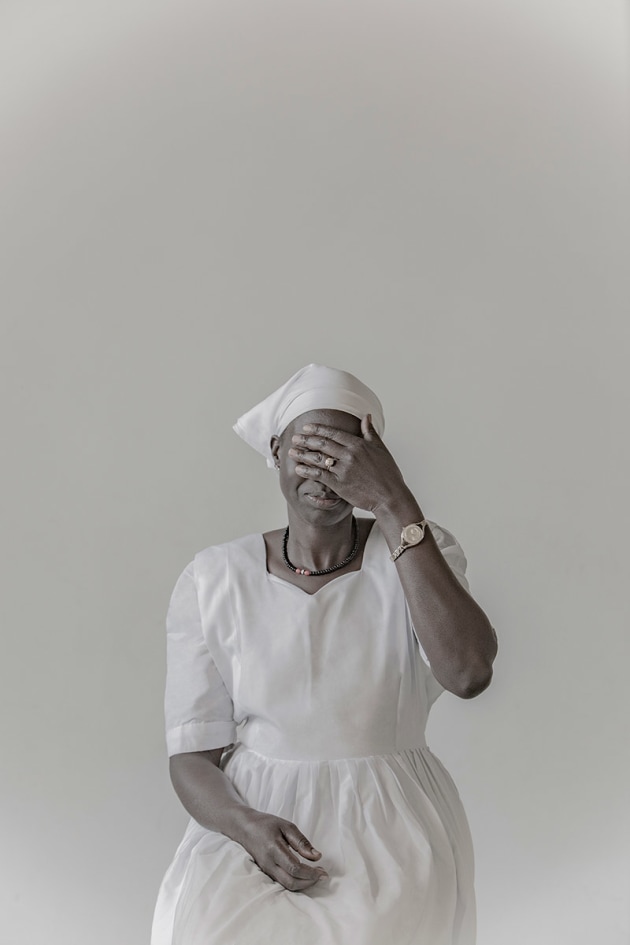
© D-Mo. Vice Versa, 2021. Digital print on Hahnemuhle photo rag. Acquired as the Winner of the Olive Cotton Award, 2021.
© D-Mo. Vice Versa, 2021. Digital print on Hahnemuhle photo rag.
Acquired as the Winner of the Olive Cotton Award, 2021.

The Olive Cotton Award, recognising excellence in photographic portraiture, is held biennially, with a major prize of $20,000. The 2021 Award will be the twelfth Award since the prize's inception in 2005.

The Friends of Tweed Regional Gallery and Margaret Olley Art Centre Inc. sponsor Director’s Choice awards to the value of $4,000. All awards are acquisitive, making the Olive Cotton Award an important collecting stream for the Tweed Regional Gallery’s collection of Australian portraits.

© Gerwyn Davies. Float, 2021. Archival inkjet print. Acquired as the Director’s Choice of the Olive Cotton Award, 2021.
© Gerwyn Davies. Float, 2021. Archival inkjet print.
Acquired as the Director’s Choice of the Olive Cotton Award, 2021.

The 2021 Award judge was artist Michael Cook. Cook is one of Australia’s most significant photomedia artists. A Brisbane-based artist of Bidjara heritage, Cook has worked in photography for over 30 years.

A $250 People’s Choice Award will run throughout the exhibition allowing the public to vote for their favourite image. Voting closes Sunday 19 September 5 pm.
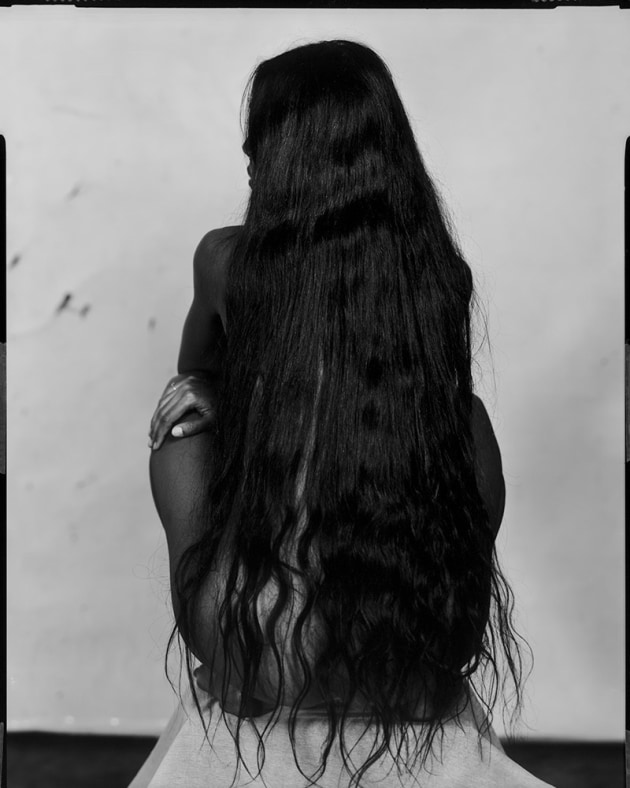
© Shea Kirk. Hairstory, 2020, pigment print. Highly Commended Olive Cotton Award, 2021.

About the award

The Olive Cotton Award was launched in 2005, and is funded by Olive Cotton’s family and dedicated to her memory as one of Australia’s leading twentieth century photographers. The Award has grown and gained national recognition attracting entries from well-known and emerging photographers across Australia. The award boasts a major acquisitive biennial prize of $20,000, selected by the Award judge.

© Craig Tuffin. THE SUPERS #2, 2020, archival pigment print. Highly Commended Olive Cotton Award, 2021.
© Rusty Crawshaw. The Dengs, 2021, pigment print. Highly Commended Olive Cotton Award, 2021.

About Olive Cotton

Olive Cotton (1911-2003) discovered the art of photography in childhood and stayed committed to it all her life. Her mother was a talented painter who died young; her father, a geologist, had learnt the elements of photography for his journey to the Antarctic in 1907 and later taught it to his children.

Having graduated with an Arts degree, Olive Cotton worked successfully as a photographer at the Dupain studios in Sydney until the end of World War II, then moved with her new husband Ross McInerney, to the bush near Koorawatha, NSW. For 20 years she had no access to darkroom facilities, but kept taking photographs.

© Gerrit Fokkema. Merv In The Long Grass, Dubbo, 2020, archival inkjet print. Highly Commended Olive Cotton Award, 2021.
© Gerrit Fokkema. Merv In The Long Grass, Dubbo, 2020, archival inkjet print.
Highly Commended Olive Cotton Award, 2021.

In 1964 Cotton opened a small studio in Cowra and took local portraits, weddings and commissions. After a 40 year absence from the city art scene she re-emerged in 1985 with her first solo show at the Australian Centre for Photography in Sydney, she then concentrated on rediscovering and printing her life's work. A major exhibition of Cotton's works was shown at the Art Gallery of NSW in 2000.

© Judith Martinez Estrada. Absent/Present, 2020, archival pigment ink on Hahnemühle photo rag. Highly Commended Olive Cotton Award, 2021.

Upcoming Events Submit an Event

February

Canberra: Until 6 Sept 2026. Trent Parke’s photographic series The Christmas tree bucket 2006–09 is a tender and darkly humorous portrayal of his extended family coming together to celebrate Christmas.

March

Sydney: Until 7 Feb 2027. From his archive of more than 200,000 images, Close Up celebrates the historic moments and pivotal people he famously captured.

Melbourne: 5 March – 7 August 2026. Between the mid-1970s and early 1990s, artist and social documentary photographer Viva Gibb (1945-2017) documented the suburbs of North and West Melbourne, where she lived.

May

Sydney: Until 16 August 2026. PIX, Australia’s first pictorial news weekly, is brought to life in this exhibition, showcasing its archived images and stories for the very first time.

Melbourne: Until March 2027. Rehearsing the City presents archival photographs from Victoria’s government collections, alongside new work by contemporary street photographers.

Coffs Harbour: 28 May – 29 June 2026. West Of Somewhere East is a photographic series tracing a cinematic journey through the interior of New South Wales, shaped by long drives, fleeting encounters, and the reflective rhythm of return.

June

Sydney: June 6 – 19 July 2026. The World Press Photo Exhibition 2026 is returning to the State Library of New South Wales from 6 June to 19 July, offering Sydney audiences an uncompromising view of of the unending challenges that humans, and our planet face.

Melbourne: 6 June – 20 August 2026. Brook Andrew is an artist whose conceptual practice shifts across photography, performance, moving image, installation, public space and research, often through deep collaboration with artists, communities and friends.

Melbourne: 6 June – 28 June 2-26. We Built a House Out of Water is a deeply personal body of work that draws on memory, family, and culture – while understanding healing as an ongoing process.

Melbourne: 26 June – 2 August. Through analogue photographic processes, Dylan Negri aims to immortalised fragments of life that would otherwise disintegrate.