


After nineteen years of helping define Australian contemporary portraiture, the National Photographic Portrait Prize (NPPP) is officially drawing the curtain on an era.
Taking out the top honour this year is Melbourne-based artist Nathan Beard for his arresting, deeply intimate work, Mae Khong.
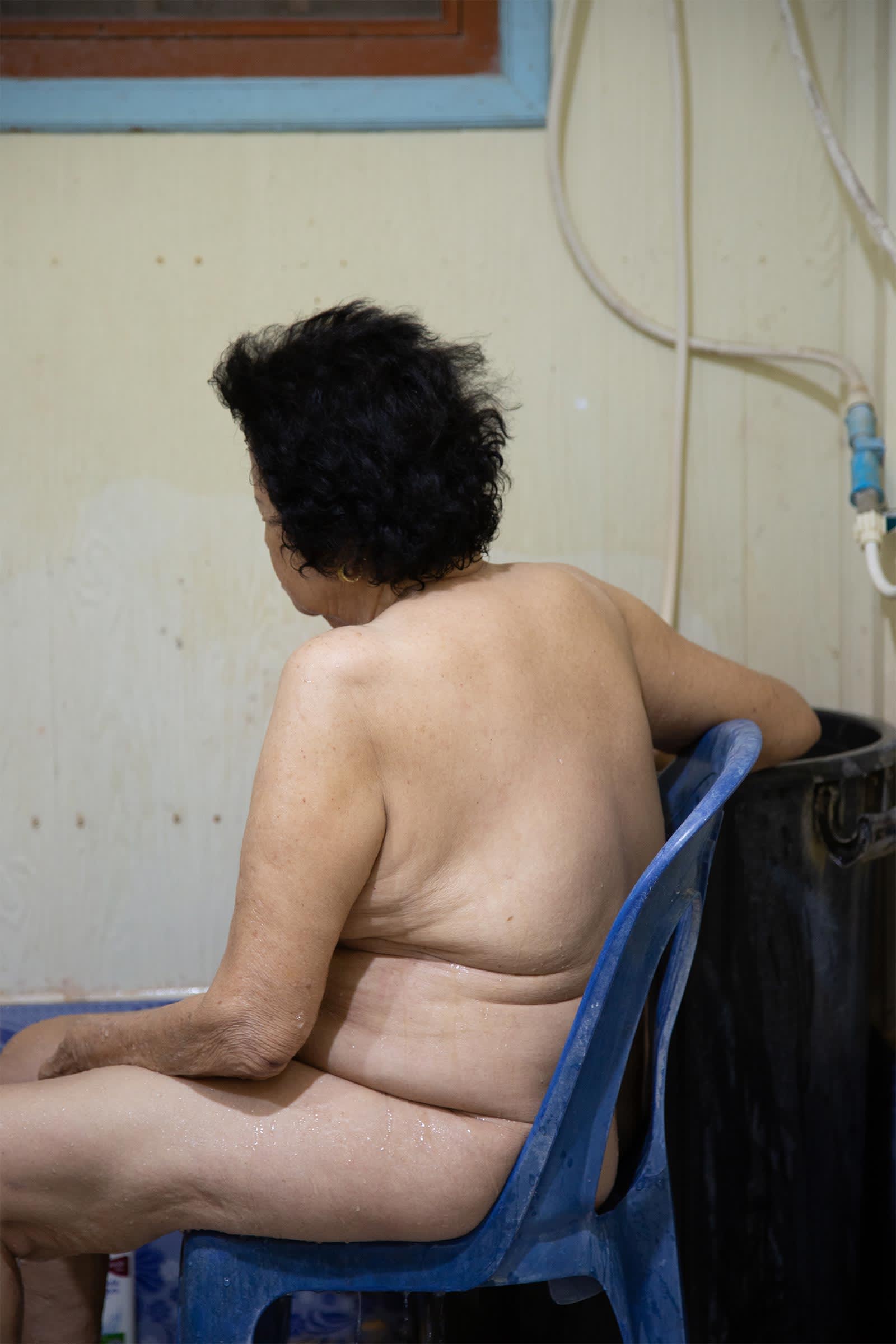
Pigment photographic print (frame: 62.9cm x 43.2cm depth 3.8cm). Photo: Nathan Beard
As mentioned on his website "Nathan Beard is a multidisciplinary artist whose work combines references and materials from a range of archival and personal sources to deconstruct understandings and characterisations of ‘Thainess’. In drawing from his Australian-Thai heritage, Beard reveals the porous influences which complicate diasporic identity and shape the commercial and historical production of culture."
Captured during his late 84-year-old aunt’s final months in Nakhon Nayok province, Thailand, the image depicts her seated quietly in what looks like contemplation near a bathing tub, turned away from the lens.
The image demonstrates quiet storytelling, restraint, and vulnerability. The image earned Beard $30,000 in cash alongside $20,000 worth of Canon gear to fuel his future practice.
The 2026 National Photographic Portrait Prize was judged entirely by an internal panel of three senior staff members from the National Portrait Gallery: Isobel Parker Philip, Director, Curatorial and Collection; Gillian Raymond, Director, Engagement and Experience; and Mark Mohell, Imaging Services Manager and Photographer.
Judges’ official statement on the NPPP website reads: "This photograph of Nathan Beard’s aunt Mae Khong has an immediate and compelling emotional pull. Through its tight composition and simple colour palette interspersed with soft blue tones, combined with the vulnerability of a private yet familiar pose, the artist creates a portrait of palpable intimacy. Even though we can’t see the subject’s face, we are drawn into a connection with her, perhaps sensing the weight of her life experiences or recognising our own loved ones in this quietly captured moment. There is both resilience and fatigue legible in Mae’s posture. With water droplets still on her skin, this is a candid scene but it also speaks to the depth of familial connection between artist and subject."
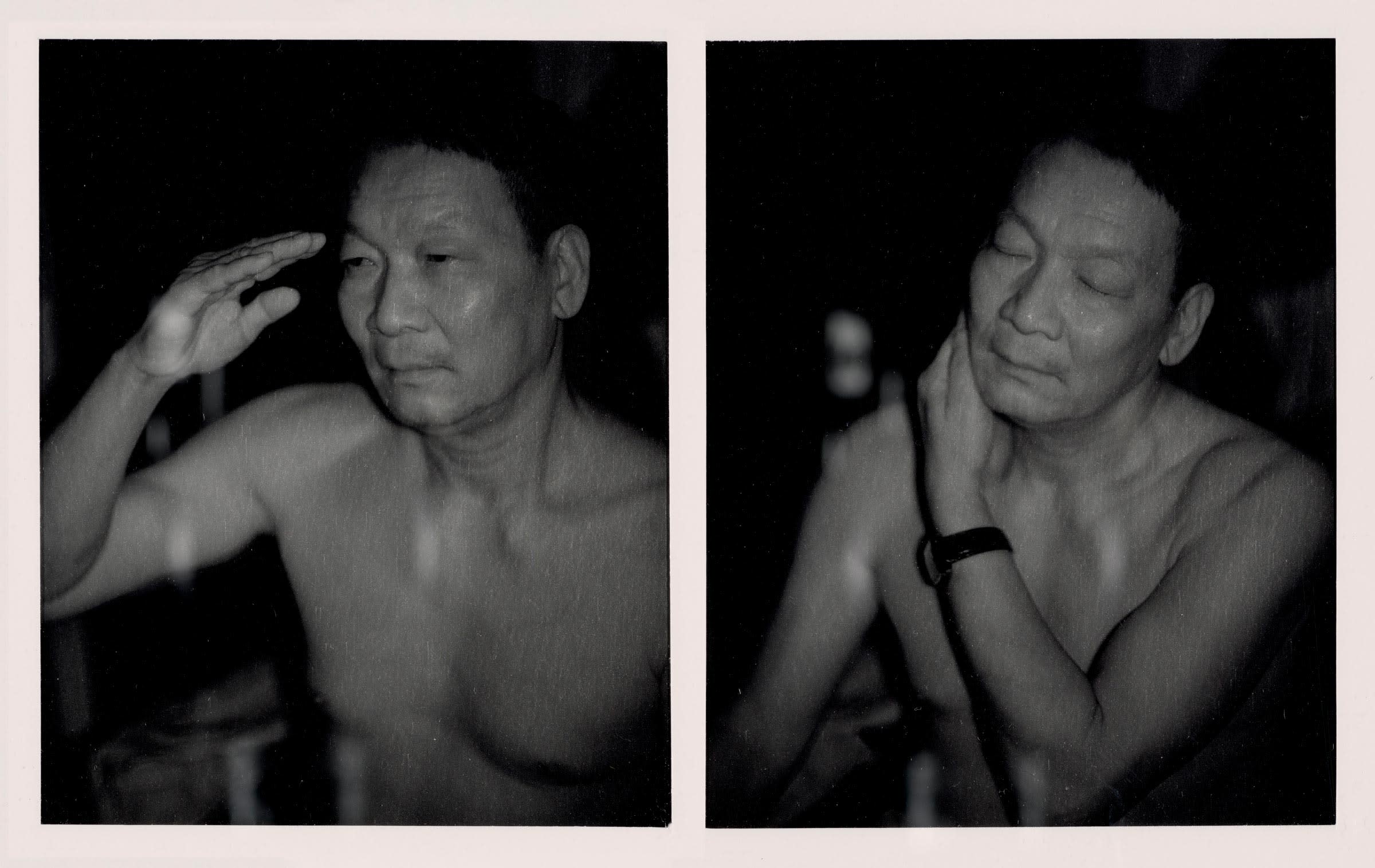
Diptych: pigment photographic prints (sheet: 50cm x 85cm) Photos: Phuong Nguyen Le
The First Time Finalist Award went to Phuong Nguyen Le for Nghi/Nghiem (Attention/At ease), an evocative dual-frame study of his father, Le Ngoc Long, that interrogates memory and identity half a century on from the Vietnam War.
As stated on his website: "Phuong Nguyen Le is an emerging Vietnamese artist based in Naarm (Melbourne). He employs photography to explore themes of identity, family, sexuality, and decolonisation. His work critically examines his position within an ongoing colonial structure in the Asia-Pacific region, characterised by violence, censorship, and division."
Meanwhile, the revered Art Handlers’ Award went to NPPP 2026 Hussein Abdirahman Mohamud for Untitled: 01, drawn from his series What remains? – documenting long-time Melbourne public housing resident Aunt Khadija packing up her home.
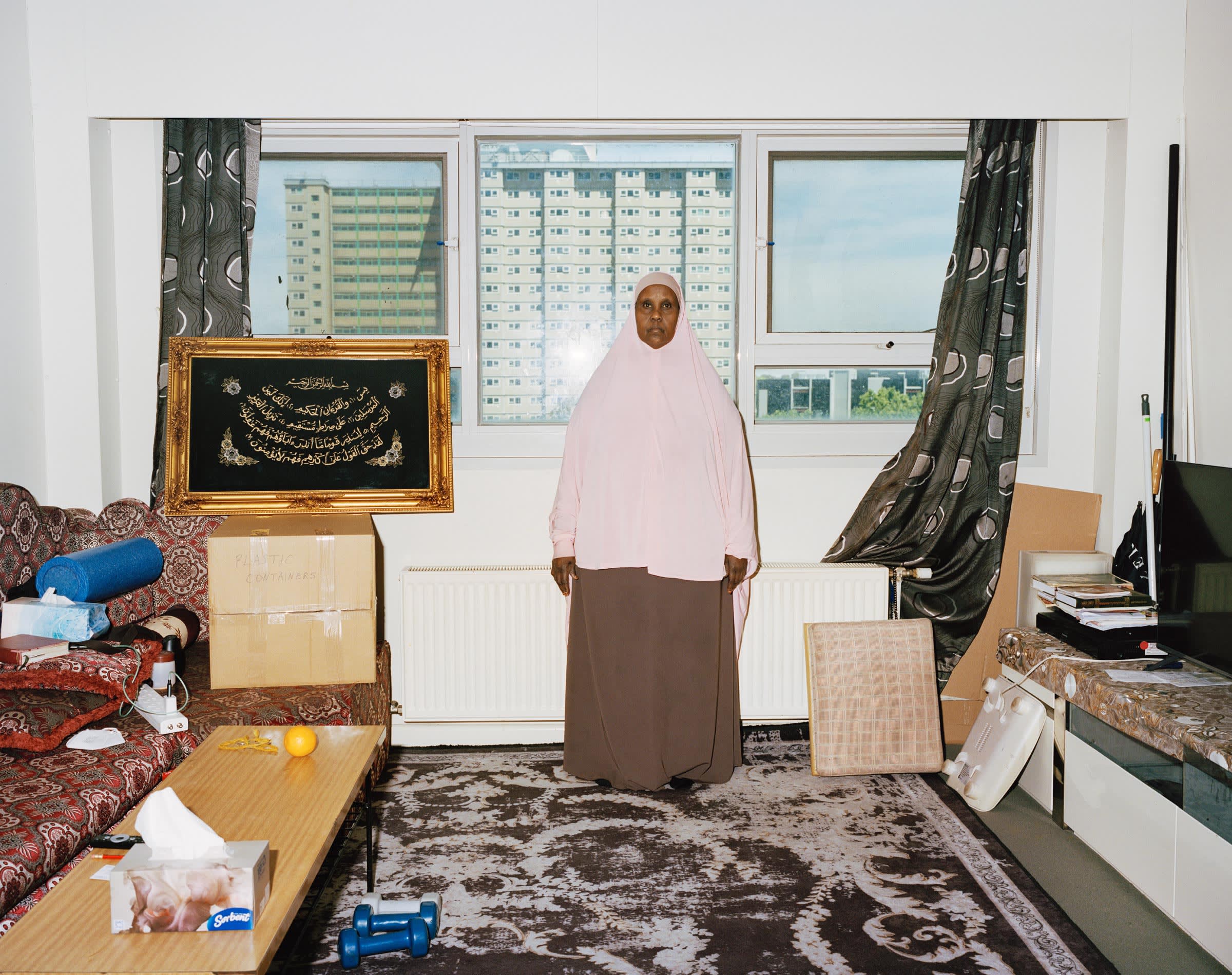
Pigment photographic print (frame: 86.1cm x 108.0cm depth 3.9cm) Photo: Hussein Abdirahman Mohamud
Voting remains open for the $10,000 People’s Choice Award, set to wrap up towards the end of the Canberra run in October.
NPPP's history and what will replace it?
Ever since its 2007 debut, the NPPP has stood as an essential touchstone for Australia’s photographic community. It constantly interrogated the question of what a portrait can actually be, challenging both photographers and the public to look beyond the boundaries of traditional likeness.
In an era where images are consumed in seconds on small phone screens, the prize championed the power of the printed work in physical gallery space environment. It gave the judges the room, and the time to look past immediate 'first glance' aesthetic visual impact, while rewarding the 'afterthought' of lingering resonance and context.
Over nearly two decades, the prize exhibited more than 900 portraits from over 600 photographers, charting the evolving face of the nation while giving emerging talent a genuine launchpad alongside established heavyweights.
Its extensive regional touring network took world-class Australian photography well outside the major capital hubs to more than 70 regional galleries, ensuring these stories resonated across the country while directly bolstering the NPG’s permanent collection.
So why pull the pin now? The gallery has recognised that the landscape of lens-based practice is shifting dramatically. Rather than letting the traditional annual prize model stagnate, the NPG is retiring the NPPP format to make room for an entirely revised photographic initiative set to launch in 2027.
This broader rethinking of institutional boundaries and visual storytelling mirrors similar shifts across the cultural sector – most notably the National Film and Sound Archive’s (NFSA) recent decision to officially archive the work of YouTube content creators. As the lines blur between traditional portraiture, digital media, and social documentation, national institutions are having to fundamentally redefine how contemporary Australian identity is captured and preserved.
While full details of the replacement model are being kept under wraps until later this year, the focus will be on modernising how the institution commissions, funds, and platforms Australian image-makers.
To mark the milestone, this year’s exhibition is bolstered by a stunning retrospective celebrating landmark works from the past 19 years. The final NPPP exhibition runs in Canberra until 11 October 2026 before embarking on its farewell national tour. It is the end of a remarkable chapter for Australian photography, but all eyes are firmly on what comes next.
You can see the finalist images on the NPPP website here.